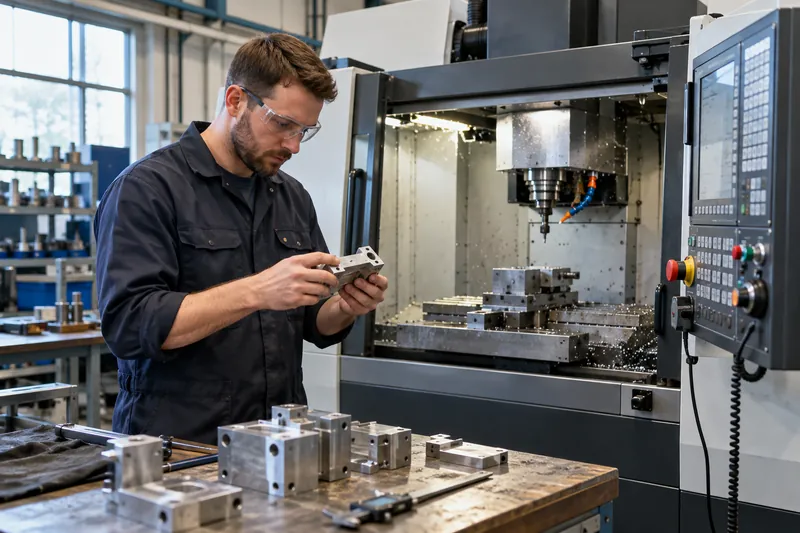
Asset finance links funding to equipment a business acquires or already owns. It can protect cash and align payments with the income an asset produces, but repossession, end-of-term obligations and obsolescence risk need to be understood before signing.
Section 01
Hire purchase
The funder buys the asset and the business uses it while making agreed payments. Legal title normally remains with the funder until the final payment and any purchase option are completed. Hire purchase can suit equipment the company expects to keep for most of its working life.
A deposit reduces the financed amount but uses cash upfront. Some agreements include a larger balloon payment at the end. Check whether ownership transfers automatically, requires a separate option fee or depends on other conditions.
Section 02
Finance lease and operating lease
Under a finance lease, the funder owns the asset and the business pays rentals for most of its economic value. The user commonly carries insurance and maintenance responsibilities. End-of-term choices can include an extension or sale arrangement, but the contract—not a generic label—sets the outcome.
An operating lease or contract-hire arrangement focuses on use for part of the asset’s life. Maintenance or replacement may be included. It can suit vehicles or technology that need regular upgrades, but mileage, condition, alteration and return charges can add cost.

Section 03
Asset refinance and asset-based lending
Asset refinance raises working capital against equipment or vehicles the business already owns, or replaces an existing finance agreement. The lender assesses ownership, condition, market value and how readily the asset could be sold.
Asset-based lending is broader. It can create a facility against receivables, inventory, equipment, property and sometimes intellectual property. It is not another name for equipment finance and may bring regular reporting, audits and borrowing-base tests.
Section 04
Cost and risk checklist
Compare the total payments and net cash impact, not just a monthly rental. Ask for a schedule that includes the deposit, documentation fees, interest or rentals, maintenance, insurance, balloon or option payment and return conditions.
- Who owns the asset during and after the agreement?
- Who pays for servicing, repairs, insurance and regulatory compliance?
- What happens if usage, mileage or condition exceeds the allowance?
- Can the agreement be settled early, and how is the charge calculated?
- Can the asset be upgraded, moved, altered or sold?
- What can the funder repossess after a default?

Section 05
Accounting and tax need case-specific advice
The legal contract, accounting treatment and tax treatment are related but not identical. For qualifying hire-purchase assets, the user may be treated as owner for capital-allowance purposes once the asset is brought into use; interest is not part of the capital-allowance claim. Lease treatment depends on the substance of the arrangement.
Annual Investment Allowance and other reliefs can change the timing of tax deductions, but they should not turn an uneconomic asset into a sensible purchase. Ask the company’s accountant to review the exact quotation and contract before relying on a tax outcome.
Section 06
A practical decision rule
Use hire purchase when long-term ownership matters and the asset is unlikely to become obsolete early. Consider leasing when access, predictable replacement or services matter more than ownership. Consider refinance only when the released cash has a clear, supportable use and the business can tolerate losing the asset if repayments fail.
In every case, project the income or savings the asset should produce and compare that with payments under a conservative utilisation assumption. A vehicle or machine that is idle for three months still has a finance payment.
Sources
Primary sources and further reading
Facts and status were checked against the following sources on 13 September 2026. External pages can change. Worked examples use the assumptions stated alongside them.